Schatje’s Favourite Books of 2025
Of the 106 books I read and reviewed this year, here are among my favourite ones published in 2025. I divided my choices into two very broad categories: 25 novels classified as literary fiction, some with historical elements, and a dozen titles classified as crime drama, psychological suspense, mystery, thriller or gothic fiction. It was a great year of reading!
Favourite Literary (and/or Historical) Fiction
We Do Not Part by Han Kang https://schatjesshelves.blogspot.com/2025/01/review-of-we-do-not-part-by-han-kang.html
Three Days in June by Anne Tyler https://schatjesshelves.blogspot.com/2025/02/review-of-three-days-in-june-by-anne.html
End of August by Paige Dinneny https://schatjesshelves.blogspot.com/2025/02/review-of-end-of-august-by-paige.html
Nesting by Roisín O’Donnell https://schatjesshelves.blogspot.com/2025/02/review-of-nesting-by-roisin-odonnell.html
A House for Miss Pauline by Diana McCaulay https://schatjesshelves.blogspot.com/2025/02/review-of-house-for-miss-pauline-by.html
The Immortal Woman by Su Chang https://schatjesshelves.blogspot.com/2025/03/review-of-immortal-woman-by-su-chang.html
The Paris Express by Emma Donoghue https://schatjesshelves.blogspot.com/2025/03/review-of-paris-express-by-emma.html
The Boy from the Sea by Garrett Carr https://schatjesshelves.blogspot.com/2025/04/review-of-boy-from-sea-by-garrett-carr.html
The Lotus Shoes by Jane Yang https://schatjesshelves.blogspot.com/2025/05/review-of-lotus-shoes-by-jane-yang.html
Fox by Joyce Carol Oates https://schatjesshelves.blogspot.com/2025/06/review-of-fox-by-joyce-carol-oates-new.html
The Homemade God by Rachel Joyce https://schatjesshelves.blogspot.com/2025/06/review-of-homemade-god-by-rachel-joyce.html
The Heart of Winter by Jonathan Evison https://schatjesshelves.blogspot.com/2025/07/review-of-heart-of-winter-by-jonathan.html
The Lies They Told by Ellen Marie Wiseman https://schatjesshelves.blogspot.com/2025/07/review-of-lies-they-told-by-ellen-marie.html
Solitaria by Eliana Alves Cruz https://schatjesshelves.blogspot.com/2025/08/review-of-solitaria-by-eliana-alves.html
Bad Juliet by Giles Blunt https://schatjesshelves.blogspot.com/2025/09/review-of-bad-juliet-by-giles-blunt-new.html
Ripeness by Sarah Moss https://schatjesshelves.blogspot.com/2025/09/review-of-ripeness-by-sarah-moss-new.html
The Book of Guilt by Catherine Chidgey https://schatjesshelves.blogspot.com/2025/09/review-of-book-of-guilt-by-catherine.html
What We Can Know by Ian McEwan https://schatjesshelves.blogspot.com/2025/10/review-of-what-we-can-know-by-ian.html
Evensong by Stewart O’Nan https://schatjesshelves.blogspot.com/2025/11/review-of-evensong-by-steward-onan-new.html
Benbecula by Graeme Macrae Burnet https://schatjesshelves.blogspot.com/2025/11/review-of-benbecula-by-graeme-macrae.html
Listen by Sacha Bronwasser https://schatjesshelves.blogspot.com/2025/11/review-of-listen-by-sacha-bronwasser.html
Songs of Love on a December Night by David Adams Richards https://schatjesshelves.blogspot.com/2025/11/review-of-songs-of-love-on-december.html
Needle Lake by Justine Champine https://schatjesshelves.blogspot.com/2025/12/review-of-needle-lake-by-justine.html
Seascraper by Benjamin Wood https://schatjesshelves.blogspot.com/2025/12/review-of-seascraper-by-benjamin-wood.html
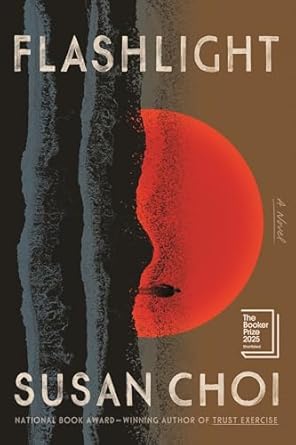
Flashlight by Susan Choi https://schatjesshelves.blogspot.com/2025/12/review-of-flashlight-by-susan-choi.html
Favourite Crime/Psychological Suspense/Mystery/Thriller/Gothic Fiction
The Quiet Librarian by Allen Eskens https://schatjesshelves.blogspot.com/2025/02/review-of-quiet-librarian-by-allan.html
Son by Johana Gustawsson and Thomas Enger https://schatjesshelves.blogspot.com/2025/03/review-of-son-by-johana-gustawsson-and.html
The Cure by Eve Smith https://schatjesshelves.blogspot.com/2025/04/review-of-cure-by-eve-smith-new-release.html
Dangerous by Essie Fox https://schatjesshelves.blogspot.com/2025/04/review-of-dangerous-by-essie-fox-new.html
Home Fires Burn by Anthony Bidulka https://schatjesshelves.blogspot.com/2025/06/review-of-home-fires-burn-by-anthony.html
Home Before Dark by Eva Björg Ægisdóttir https://schatjesshelves.blogspot.com/2025/07/review-of-home-before-dark-by-eva-bjorg.html
She Didn’t See It Coming by Shari Lapena https://schatjesshelves.blogspot.com/2025/08/review-of-she-didnt-see-it-coming-by.html
High Season by Katie Bishop https://schatjesshelves.blogspot.com/2025/08/review-of-high-season-by-katie-bishop.html
Gone in the Night by Joanna Schaffhausen https://schatjesshelves.blogspot.com/2025/08/review-of-gone-in-night-by-joanna.html
Venetian Vespers by John Banville https://schatjesshelves.blogspot.com/2025/11/review-of-venetian-vespers-by-john.html
Small Fires by Ronnie Turner https://schatjesshelves.blogspot.com/2025/02/review-of-small-fires-by-ronnie-turner.html
Jenny Cooper Has a Secret by Joy Fielding https://schatjesshelves.blogspot.com/2025/08/review-of-jenny-cooper-has-secret-by.html